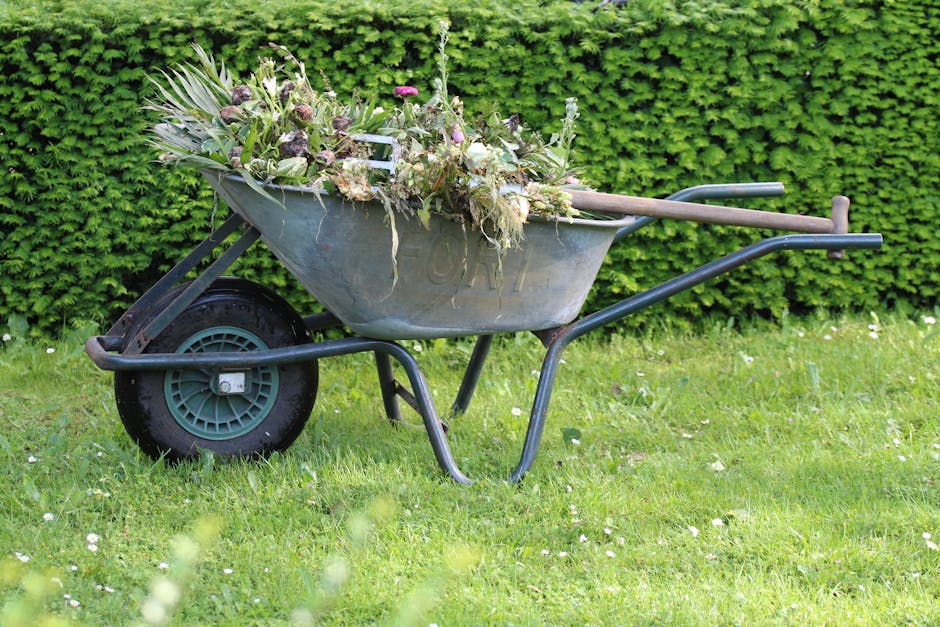
Ruislip gardeners same day emergency garden clearances HA4: fast, calm help when your garden needs clearing now
If you are searching for Ruislip gardeners same day emergency garden clearances HA4, chances are something has happened quickly: a fallen branch, an overgrown front garden that has become a trip hazard, a broken fence panel dragged into the borders, or a property that simply needs clearing before a deadline. In moments like that, you do not want vague promises. You want a practical response, a tidy finish, and someone who knows how to get on with the job without making the day more stressful than it already is.
This guide explains how same day emergency garden clearance works in Ruislip, what to expect, what a proper clearance should include, and how to judge whether a job is urgent or can wait until planned maintenance. It also covers the kind of checks that matter in the real world: safety, access, waste handling, and whether the team is actually prepared for a rushed turnaround. Simple, clear, useful.
Quick takeaway: same day emergency clearance is about making a garden safe, accessible, and manageable as quickly as possible. It is not always a full redesign or a neat landscaping project. Sometimes it is just getting control back, fast.
Table of Contents
- Why Ruislip gardeners same day emergency garden clearances HA4 matters
- How Ruislip gardeners same day emergency garden clearances HA4 works
- Key benefits and practical advantages
- Who this is for and when it makes sense
- Step-by-step guidance
- Expert tips for better results
- Common mistakes to avoid
- Tools, resources and recommendations
- Law, compliance, standards, or best practice
- Options, methods, or comparison table
- Case study or real-world example
- Practical checklist
- Conclusion
- Frequently asked questions
Why Ruislip gardeners same day emergency garden clearances HA4 Matters
Emergency garden clearance matters because outdoor problems have a habit of escalating. One windy afternoon and a tidy garden can become cluttered with branches, leaves, loose materials, and blocked access points. A patch of mud can turn slick. Overgrown growth can hide hazards. A pile of cuttings can attract pests or simply make the whole place feel neglected. And let us face it, when a garden looks chaotic, the rest of the property often feels more stressful too.
In HA4, many gardens are modest in size but packed with obstacles: sheds, narrow side access, mature planting, shared boundaries, and hard surfaces that show mess immediately. That means emergency clearances are rarely about brute force. They require judgement. What should be removed now? What should be protected? What can be safely trimmed rather than hacked back? A good local team works with the space, not against it.
There is also a timing issue. Sometimes you need a garden made presentable before a move, a rental inspection, family visit, sale photography, or a tradesperson arriving the next morning. In those moments, same day clearance is not a luxury. It is the difference between a manageable day and a scramble.
If you are comparing options beyond a one-off clearance, it may help to look at wider support too, such as garden maintenance for ongoing upkeep or the full services overview if the garden needs more than a quick reset.
How Ruislip gardeners same day emergency garden clearances HA4 Works
The process should be straightforward, especially when time is tight. A well-run same day service usually starts with a short call or message that explains the problem clearly. Not a novel. Just the essentials: what happened, how big the space is, what materials are involved, and whether there are any access constraints.
From there, the team will usually assess whether the job can be handled the same day, what equipment may be needed, and whether any parts of the clearance should be treated as higher risk. For example, a light accumulation of branches is very different from a large fallen tree limb pressing on a fence. One is a clearance. The other may require more careful handling and, in some cases, additional arboricultural attention.
A typical emergency visit may include:
- removing loose garden waste, cuttings, and debris
- cutting back access-blocking growth where safe to do so
- collecting broken or damaged garden materials
- making pathways, patios, or entrances safer to use
- loading and removing waste for responsible disposal
- leaving the garden stable, tidy, and easier to manage
It is worth saying plainly: same day emergency garden clearance is not always the same as a full redesign or restoration. If the site needs reshaping, replanting, or structural work, that comes later. Sometimes a quick clearance is the first step before proper landscaping, or before you decide whether something like landscaping or landscape gardening is the right next move.
Key Benefits and Practical Advantages
The obvious benefit is speed, but there are several others that matter just as much in practice.
- Safety: clearing away trip hazards, unstable debris, and blocked access paths reduces immediate risk.
- Access: you can get to bins, sheds, doors, side passages, and outdoor taps again without shuffling around obstacles.
- Control: a messy garden can feel overwhelming. A same day clearance gives you a reset point.
- Property presentation: if the garden is visible from the street or needed for a viewing, a fast tidy-up can make a real difference.
- Better planning: once the mess is removed, it becomes easier to see what truly needs repairing, trimming, mowing, or replacing.
There is also a practical money angle, though it is often overlooked. Small urgent jobs can sometimes prevent bigger repair issues. For instance, damp debris left against a fence or wall can linger too long, and a clogged garden path can become more hazardous after another wet spell. Nothing dramatic, just the kind of slowly worsening issue that costs more later.
When a clearance is handled properly, it can also create a better base for follow-up work like lawn mowing, hedge trimming, or even a more structured refresh. That is the nice part. One chaotic afternoon, then a cleaner path forward.
Who This Is For and When It Makes Sense
Same day emergency clearance is not only for dramatic storm damage. To be fair, most calls are more ordinary than that. A lot of real-world urgency comes from timing, not disaster.
This service makes sense for:
- homeowners dealing with sudden storm debris or fallen branches
- landlords needing a garden cleared between tenancies
- estate agents preparing a property for viewings
- older residents who need immediate help making the garden safer
- busy households that have let growth get ahead of them and now need a fast reset
- people facing a missed deadline, inspection, or family event
It can also be the right call if you have started a DIY clearance and realised halfway through that the amount of waste is bigger than expected. That happens more than people admit. A few black bags in, then suddenly there are half a dozen more and a pile of brambles that seems to have a personal grudge.
If the issue is mainly trees or dangerous limbs, a clearance team may need to coordinate more carefully with tree work. In that case, tree lopping and removal may be part of the wider solution rather than a separate thought later on.
Step-by-Step Guidance
If you want the smoothest result from a same day emergency garden clearance, this is the process that tends to work best.
- Describe the issue clearly. Mention what is blocking access, what material needs removing, and whether anything is broken or unstable.
- Share practical access details. Side gate width, parking limits, locked areas, pets, and neighbour boundaries all help.
- Prioritise safety. If there is storm damage, leaning fencing, or a tree limb under tension, say so early. That changes the plan.
- Ask what is included. You want to know whether waste removal, loading, and basic tidy-up are all part of the visit.
- Confirm the expected finish. For emergency work, the aim is usually safe and manageable rather than picture-perfect.
- Set the next step. Once the immediate issue is gone, decide whether you need follow-on work such as maintenance, hedge cutting, or broader landscaping.
A small but useful point: keep the area as accessible as you can before the team arrives. Move bins, unlock side gates, and clear any obvious items you want to keep. It saves time, and in a same day job, minutes matter.
If you are unsure about the broader maintenance picture after the emergency has been handled, browsing garden maintenance can help you think through what to keep on a schedule rather than leaving everything to the next rush.
Expert Tips for Better Results
Here is the honest truth: the best emergency clearances usually look almost invisible. Not because nothing was done, but because the work was done with judgement. Less drama, more control.
Some practical tips:
- Separate urgent from non-urgent. If there are items you want to keep, point them out before work begins.
- Be specific about what "clear" means. One person means "remove the mess"; another means "cut everything back hard". Those are not the same thing.
- Ask for a quick safety focus first. Entrance routes, paths, and obvious hazards should usually come before cosmetic tidying.
- Think about future access. A clearance that leaves you unable to get to a shed or gate is not really finished.
- Choose the least destructive solution that works. Sometimes careful cutting and selective removal achieve more than aggressive clearing.
One thing seasoned gardeners notice quickly: rushed work often becomes messy work. A calm, methodical approach can still be fast. That sounds a bit contradictory, but it is true. Especially in small urban gardens where every corner counts.
Another useful habit is asking about waste handling before the team starts. If the clearance produces a lot of green waste, timber, or mixed debris, it is worth understanding how it will be managed. Responsible disposal matters, and it is one of those details people only think about after the van has gone.
Common Mistakes to Avoid
Emergency garden clearances can go wrong in surprisingly ordinary ways. Nothing exotic. Just avoidable mistakes.
- Waiting too long. A small issue becomes a bigger one if left through wet weather or after more debris falls.
- Expecting a same day clearance to solve every garden problem. It is a reset, not always a full transformation.
- Not mentioning access restrictions. If the team cannot get equipment in, the job slows down immediately.
- Mixing up clearance with pruning. Cutting back growth and clearing waste are related, but not identical tasks.
- Skipping the follow-up plan. A clear garden can slide back quickly without maintenance.
There is also a common communication mistake: people say "it is just a quick tidy" when the job is actually a lot more involved. That can create frustration on both sides. A better approach is to be blunt about what you see on the ground. Even if it feels a bit untidy or embarrassing, that honesty helps the job go better. No one is judging the garden. They are there to sort it out.
Tools, Resources and Recommendations
For same day emergency work, the right tools matter. Not fancy kit for the sake of it, just practical equipment that helps a team work safely and efficiently.
Commonly useful tools and resources include:
- heavy-duty waste bags and containers
- loppers, secateurs, and pruning saws for controlled cutting
- rakes and brooms for loose debris
- tarps or sheets to gather cuttings cleanly
- gloves, eye protection, and sturdy footwear
- wheelbarrows or carriers for moving heavier waste
- basic checks for access, hazards, and load size before removal starts
From a customer perspective, the most useful resources are not actually tools, but information: photos, a clear description of the issue, and an honest view of the access route. That can shave a surprising amount of time off the visit.
If the emergency clearance forms part of a bigger garden refresh, you might also explore lawn mowing for a cleaner finish, or hedge trimming where growth has got away from the boundaries. And if the garden has structural or design issues, a planned conversation about landscape gardening can be the sensible next chapter.
Law, Compliance, Standards, or Best Practice
For emergency garden clearance, the key point is not to overstate legal complexity, but to respect the basics. In the UK, anyone carrying out garden clearance should work safely, handle waste responsibly, and avoid causing damage to neighbouring property, shared access, or public areas.
Best practice usually includes:
- using safe methods when cutting or lifting
- keeping walkways and work areas as clear as possible
- wearing suitable protective equipment
- separating green waste where practical
- disposing of waste in a responsible and traceable way
- checking for hidden hazards before starting, such as broken glass, nails, unstable branches, or concealed fixtures
If a job involves large branches, tree limbs, or anything that could behave unpredictably under tension, caution is essential. A rushed cut on the wrong branch can make the problem worse. That is not drama. It is just how outdoor work behaves sometimes.
It can also be helpful to review provider pages such as insurance and safety and health and safety policy so you understand how a responsible business approaches risk. For disposal and environmental handling, recycling and sustainability is a sensible page to review as well. Small details, but they matter.
Options, Methods, or Comparison Table
Not every garden problem needs the same approach. Here is a simple comparison that helps clarify the difference between the main options people tend to consider.
| Option | Best for | Speed | Typical outcome | Notes |
|---|---|---|---|---|
| Same day emergency clearance | Immediate hazards, access problems, sudden mess, deadline pressure | Very fast | Safe, usable, substantially tidier garden | Focused on urgent control rather than full redesign |
| Planned garden clearance | Overgrowth, accumulated waste, seasonal cutback | Fast, but less urgent | Thorough reset with more time for sorting and finishing | Useful if the job does not need to happen today |
| Garden maintenance | Ongoing tidiness and prevention | Regular, repeat visits | Garden stays manageable over time | Best for stopping future emergencies |
| Landscaping or redesign | Layout changes, planting structure, hardscape improvements | Slower | Long-term improvement in appearance and use | Usually follows clearance rather than replacing it |
In practice, many people start with emergency clearance and then decide whether a second stage is needed. That second stage might be maintenance, hedge work, or a more considered garden design conversation. Nothing wrong with that. In fact, it is often the smartest way to do it.
Case Study or Real-World Example
Here is a realistic scenario, based on the sort of situations gardeners deal with all the time.
A homeowner in HA4 wakes up after a windy night to find broken branches across the lawn, a blocked side path, and a patch of shrubbery leaning into the neighbour's boundary. They also have family arriving the following afternoon. The garden does not need to become perfect, but it does need to be safe and presentable, fast.
The first step is triage. The side access is cleared so the path is usable again. Loose branches are collected. The worst of the debris is removed. The overgrowth pressing into the boundary is cut back carefully rather than aggressively, because there is no point creating a bigger pruning job than necessary. By the end of the visit, the garden still needs follow-up work, but it is no longer a hazard or an embarrassment. That is the goal.
A good emergency clearance often feels like that: not glamorous, not dramatic, just quietly relieving. You can breathe again. The garden starts to look like a space rather than a problem.
Practical Checklist
Use this checklist before arranging a same day clearance. It keeps things simple.
- Take a few clear photos of the problem area.
- Note whether the issue is a hazard, a deadline, or both.
- Check gate access, parking, and any locked side entry.
- Move pets, bins, and fragile items out of the way.
- Identify anything you want to keep before work starts.
- Tell the team if there are broken structures, hidden cables, or unstable branches.
- Ask what waste removal and tidy-up are included.
- Decide whether follow-up maintenance or trimming will be needed later.
That is the kind of practical prep that saves time. It also reduces the chance of awkward surprises. And if you have ever watched someone try to reverse a van into a cramped drive while someone else is still moving plant pots, you will know why a little preparation goes a long way.
Conclusion
Ruislip gardeners same day emergency garden clearances HA4 are about more than speed. They are about restoring safety, reducing stress, and giving you a workable outdoor space again when time is short and the problem has already started to spread. The best clearances are calm, careful, and focused on what really matters first.
Whether the issue is storm debris, overgrowth, blocked access, or a property that needs to be ready fast, the key is to act early, explain the problem clearly, and choose a team that understands the difference between a quick fix and a lasting solution. After that, the next steps become much easier to see.
Get a free quote today and see how much you can save.
And if the garden still feels a bit messy after all that, don't worry. Most outdoor spaces can be brought back into shape one sensible step at a time.
Frequently Asked Questions
What counts as a same day emergency garden clearance in HA4?
It usually means a fast-response visit to remove hazards, debris, overgrowth, or access-blocking materials the same day you make contact. The aim is to make the garden safe and workable, not necessarily fully transformed.
Can a same day clearance handle fallen branches after a storm?
Yes, if the debris is safely accessible and not under dangerous tension. If a branch is trapped, leaning, or affecting a structure, the work needs a more careful assessment first. Safety comes before speed, every time.
Is emergency garden clearance the same as garden maintenance?
No. Emergency clearance is a reactive, one-off response to a problem that needs immediate attention. Garden maintenance is ongoing care to prevent the same kind of issue building up again.
How do I know if my garden problem is urgent?
If it is blocking access, creating a trip hazard, threatening damage, or making the property difficult to use, it is probably urgent. If it is mainly untidy but safe, it may be better suited to planned clearance or maintenance.
Do I need to clear the garden before the gardeners arrive?
Only the small, practical things: pet items, fragile objects, and anything you want to keep. Do not worry about tidying the mess itself. That is what the service is for.
What should I ask before booking a same day clearance?
Ask what is included, whether waste removal is part of the visit, how access affects timing, and whether the work will be focused on safety or a fuller tidy. Clear expectations make everything easier.
Can emergency clearance include hedge trimming or mowing?
Sometimes, yes, if it helps restore the garden to a safe and usable state. But the priority is normally the immediate issue. More detailed work can be scheduled afterwards, including lawn mowing or hedge trimming.
What happens to the garden waste?
It should be collected and removed responsibly, with materials separated where practical. Good practice includes careful handling of green waste and any mixed debris, rather than leaving you with a pile to sort out later.
Will a same day clearance make the garden look perfect?
Not always, and that is fine. The main aim is to make the space safe, accessible, and significantly tidier. If the garden needs more work, that can be planned as a second stage.
Is it worth booking maintenance after an emergency clearance?
Often, yes. Emergency clearance solves the immediate problem, but maintenance helps stop it coming back. If a garden has already become overgrown once, a light regular routine can save a lot of stress later.
What if the problem involves a tree rather than general debris?
Then the solution may need a tree-focused approach, especially if there are limbs, height issues, or structural concerns. In those cases, tree lopping and removal may be relevant alongside clearance.
How can I get better value from an emergency visit?
Be clear about your priorities, share photos, and make the access as easy as possible. Also, think about the next step afterwards. A single emergency visit is most valuable when it sets up the garden for proper follow-up care.
For a wider view of services and next steps, you can also review the services overview or learn more about the team on the about us page.